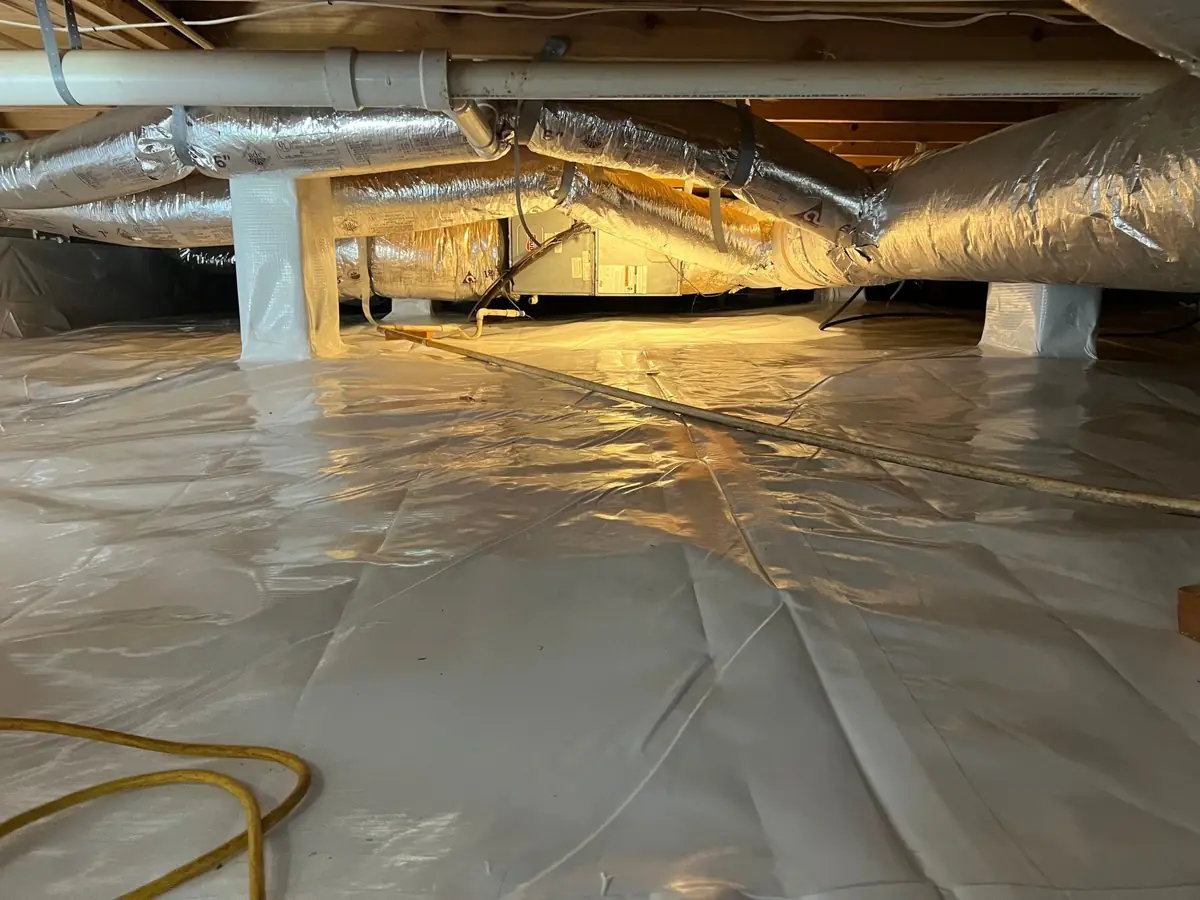
Why Spring Rain Creates Crawl Space Moisture Problems
Spring in Metro Atlanta often brings heavy rain, rising humidity, and rapidly changing temperatures. While these seasonal changes are normal for Georgia, they can create serious moisture issues beneath many homes. Crawl spaces are particularly vulnerable because they sit directly above soil that easily absorbs water during extended rainy periods.
When the ground around a home becomes saturated, moisture can begin entering the crawl space through the soil, foundation walls, or poorly managed drainage areas. Even small amounts of water intrusion can increase humidity levels dramatically beneath the home.
Over time, excess moisture can lead to mold growth, structural damage, poor indoor air quality, and unpleasant musty odors that travel into living spaces above the crawl space.
Why Crawl Spaces Are Vulnerable to Moisture in Georgia
Unlike basements, crawl spaces are often vented and partially exposed to outdoor air. In humid climates like Atlanta, this allows warm, moist air to enter the crawl space during the spring and summer months.
When humid air meets cooler surfaces such as wooden floor joists, ductwork, or foundation walls, condensation can form. Over time, this moisture buildup creates the ideal environment for mold growth, mildew, and wood rot.
Because many homeowners rarely inspect their crawl space, these moisture problems can continue developing for months or even years before they become obvious.
Common Warning Signs of Crawl Space Moisture
Many crawl space moisture problems begin subtly, but they often produce warning signs throughout the home. Paying attention to these early symptoms can help homeowners identify issues before they cause structural damage.
- Musty or damp odors inside the home
- Higher indoor humidity levels
- Warping or soft flooring
- Increased allergy or respiratory symptoms
- Visible mold growth near vents or baseboards
If these signs appear during the rainy spring season, moisture may be entering the crawl space beneath your home.
Why Early Moisture Control Matters
Moisture problems beneath the home rarely resolve on their own. Over time, damp conditions can weaken structural wood components, encourage mold growth, and create an environment that attracts pests.
Addressing crawl space moisture early helps protect your home's structure while preventing costly repairs in the future.