Why Indoor Humidity Can Become a Bigger Problem Than You Think
Basements are naturally more vulnerable to moisture because they sit below ground level. Even when there is no standing water or obvious leak, damp air can still create problems over time. A basement that feels humid, smells musty, or has condensation on walls, floors, or windows may be showing early signs of a moisture issue.
For homeowners in Atlanta, Marietta, Kennesaw, Smyrna, Woodstock, Dallas, Acworth, Canton, and surrounding North Georgia areas, humidity can be especially frustrating during warm and rainy seasons. Moist air can settle into the basement and make the space feel uncomfortable, even if the rest of the home feels fine. Over time, that extra moisture can affect air quality, stored belongings, and the overall condition of the basement.
Basement humidity is easy to overlook because it does not always appear as a dramatic plumbing leak or flood. Instead, it may show up slowly through smells, damp boxes, sticky air, or small areas of condensation. These warning signs can point to a basement environment that needs better moisture control.
Common signs of excess basement humidity include:
- A musty or stale smell that keeps coming back
- Damp air or a sticky feeling in the basement
- Condensation on walls, pipes, windows, or floors
- Cardboard boxes, furniture, or stored items feeling damp
- Visible mildew or discoloration on surfaces
- Allergy-like symptoms that seem worse in lower levels of the home
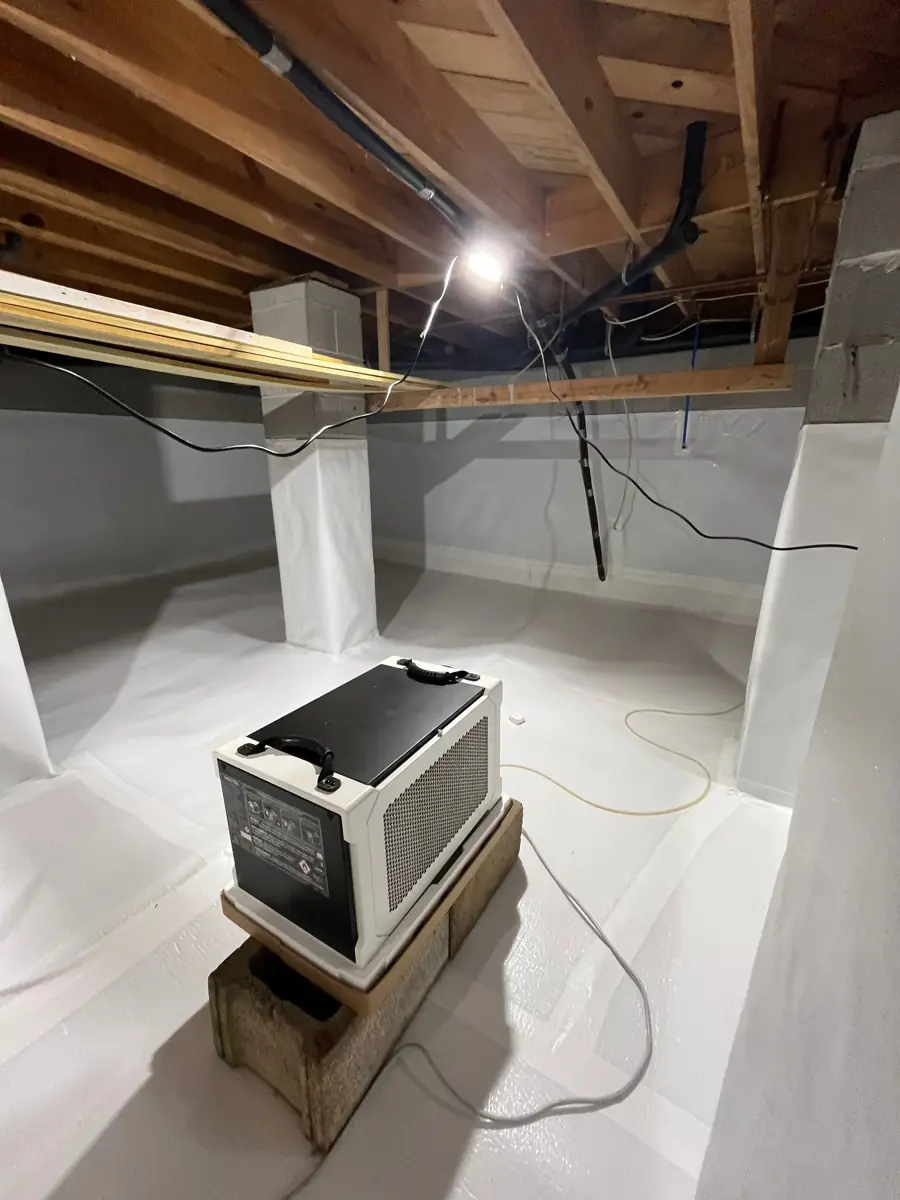
When these signs are ignored, the basement can become less usable and more difficult to maintain. A basement dehumidification system can help manage moisture in the air and support a healthier, more comfortable space. PPS Waterproofing helps homeowners identify humidity concerns and determine whether basement dehumidification is the right solution for their home.